

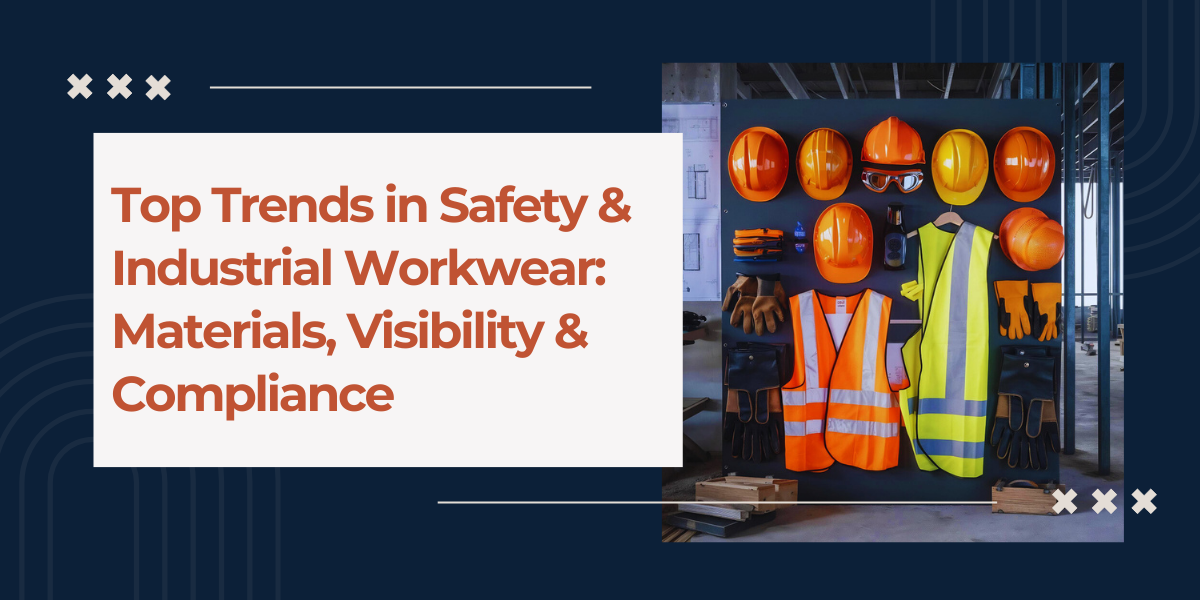
Industrial workwear is about safety and functionality. Work life today is changing at a very fast pace. From the newest materials to ergonomic design, work uniforms today have numerous advantages over protection alone. They enhance comfort, productivity, and ensure rigorous compliance.
Workwear has become a part of safety strategy and corporate identity for most industries. Construction, logistics, and manufacturing industries are embracing safety features more than ever.
Let’s have a look at what is revolutionizing this crucial sector:
Key Trends Transforming Industrial Workware
Industrial workwear undergoes advancements continuously as companies prioritise safety, comfort and sustainability. These trends are reshaping how businesses equip their workforce.
Below is a detailed look at the leading trends.
1. High-Performance Materials for Protection and Comfort
The biggest improvements in workwear are achieved in fabrics. Latest textile technology provides a level of protection and flexibility without making any trade-offs on comfort.
The following are some significant examples of new innovations:
- Flame-resistant clothing protects workers from heat or sparks.
- Soft, hydrating materials soothe skin in hot environments.
- Stretchy fabrics provide better freedom of movement when completing challenging tasks.
Workwear is now lighter and softer than ever to keep workers safe and comfortable even through extended shifts.
2. Personalized Industrial Clothing for Fit and Function
Many businesses are switching to custom industrial uniforms for specific needs. Customization ensures each garment offers performance, safety, and brand alignment.
Importances of customization:
- Consistent designs promote professionalism and unity.
- Comfortable fabric also improves morale and confidence.
Likewise, wearing uniforms matching the work function ensures that safety and branding are combined seamlessly.
3. Visibility and Reflective Design Improvements
Visibility is one of the principal safety aspects in industrial settings. Reflective designs and colors are today’s newest trends in safety & industrial workwear.
Recent design enhancements include:
- Applying Reflective Tape
These tapes provide flexibility but are more visible.
- High-contrast Color Blocking
Fluorescent hues enhance visibility in low-light environments.
- Multienvironment Adaptability
Clothing that shifts from day to night.
These visibility enhancements minimize workplace accidents and simplify supervision in dynamic environments.
4. Smart and Sustainable Workwear Solutions
All industries are transforming when it comes to sustainability, including industrial wear. They are integrating the following:
- Recycled material
- Low-impact dyes
- Environment-friendly manufacturing process
Wearable technology is included in some new uniforms for temperature or environmental hazard monitoring. The growth of this smart workwear trend, however, shows an intention to prioritize the welfare of workers and the environment.
Purchasing sustainable alternatives also enhances the brand image by showing that your business cares about humans and the environment.
5. Ergonomic Design Upgrades
Comfort significantly influences performance. Contemporary workwear is distinguished by ergonomic design attributes that allow for free movement and minimized fatigue.
Design features to seek when choosing workwear design:
- Pre-curved knees and elbows for inherent flexibility.
- Adjustable waistbands for improved fit.
- Ventilation panels that maintain body temperature.
It is hard to maintain concentration and avoid strain injuries in manual work, but little things such as these make workers maintain concentration and prevent straining when doing work requiring physical exertion.
6. Awareness of Compliance and Certification
Safety compliance is both legal and ethical. The clothing must adhere to the best practices of global standards. International certifications like EN ISO 20471 for high-visibility apparel and NFPA 2112 for flame-resistant wear illustrate that products undergo rigorous testing.
Dependence on Compliance
Place orders for certification-stamped uniforms. Educate personnel on the wearing, maintenance, and cleaning of protective gear. Consult the most recent safety regulations. Compliance guards both workers and the company name.
7. Branding With Professional Workwear
Safety uniforms also act as branding. Most businesses now include colors and logos for branding while making promotional items in the UAE.
Branded workwear enforces team solidarity, professionalism, and public visibility in work or events. The challenge is balancing functionality with visibility. A brand must stay credible while complying with security regulations.
8. Long-Term Investment
Branded workwear is costly, but long-term gains are assured due to reliability and workers’ comfort. Inexpensive options quickly lose color, rip, or fail protective features, and pay more in replacement expenses.
Buying long-lasting, fitting apparel safeguards, saves, and reinforces brand reputation.
The Role of Trustworthy Manufacturing Partners
A good production partner guarantees quality, performance, and delivery. The established uniform manufacturers in the UAE understand the local climate and produce clothing that is suitable for the heat, humidity, and demanding working environment.
Checklist to determine whether you can rely on trustworthy partners:
- The correct materials for the weather.
- Design flexibility.
- Quality control throughout production from start to completion.
With a seasoned manufacturer, you can always be sure your work attire serves well in a number of settings.
Conclusion
Workwear is now more secure than ever. It boosts efficiency, comfort, and identity. Industrial workwear has come a long way for employee safety, the environment, and professionalism.
These innovations, from high-tech materials to reflective technologies and ergonomic constructions, are revolutionizing new industry standards. Businesses embracing them not only enhance their employees’ welfare but also mirror a progressive, safety-first brand image.
